Hertford council rules for household rubbish disposal explained
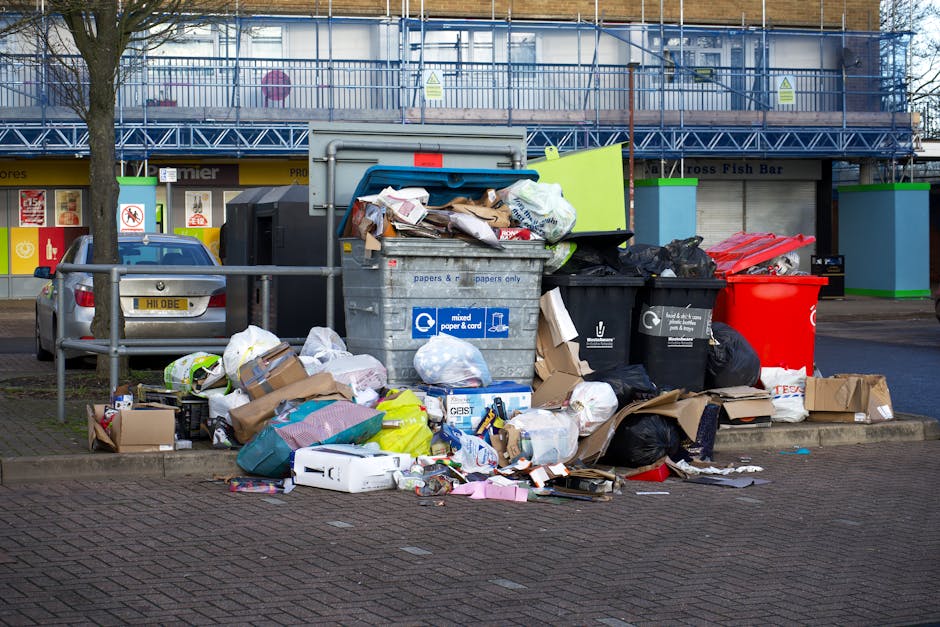
If you have ever stood beside a half-full wheelie bin on a windy Hertford morning and wondered, "Is this actually allowed?" you are not alone. Hertford council rules for household rubbish disposal explained can feel simple on the surface, yet the details matter once you start dealing with extra bags, bulky items, garden cuttings, or that awkward mix of things you cannot quite classify. This guide breaks it all down in plain English, so you know what is usually expected, what can cause problems, and how to dispose of household waste with less stress and fewer mistakes.
Whether you are clearing a house, tidying after a busy week, or handling a bigger project like a loft or garage sort-out, the rules are there for a reason. They keep collections moving, protect the environment, and reduce fly-tipping and contamination. Let's face it, nobody wants to be the house with a refused bin because of one wrong item tucked inside the bag.
Why Hertford council rules for household rubbish disposal explained Matters
Waste rules are one of those everyday things people only think about when there is a problem. A missed bin, a bag left beside the kerb, or the wrong item in the wrong container can turn a quick job into a nuisance. The point of Hertford council rules for household rubbish disposal explained is not to make life awkward; it is to keep the local collection system usable for everyone.
Household rubbish is usually managed differently from recycling, garden waste, bulky items, and materials that need special handling. That distinction matters. A bag of general waste with food, broken glass, and packaging mixed together is one thing. A mattress, paint tin, or rubble-filled sack is another. Councils and waste collectors need the load to be safe, manageable, and suitable for the correct route.
There is also a practical side that people often overlook. If waste is presented badly, collections may be delayed or refused. If non-household items are put out as if they were normal rubbish, you can end up with extra charges, enforcement issues, or simply a very messy front path by teatime. Nobody wants that. Especially not on a rainy Tuesday.
For larger clearances, it helps to think beyond the bin. Services such as house clearance and home clearance are often used when waste is too bulky or mixed for ordinary household collections. That can be a more sensible route when you are clearing a property properly rather than trying to force everything into the weekly bin routine.
How Hertford council rules for household rubbish disposal explained Works
In simple terms, the system usually works by separating waste into categories and putting each type out in the way the local collection service expects. General household rubbish goes one way. Recycling goes another. Garden material, bulky items, and specialist waste usually have their own handling rules. The exact arrangements can vary over time, so the safe approach is always to check the current local guidance before setting anything out.
Most households need to think about a few common principles:
- Only place accepted items in the correct container.
- Do not overload bins or leave loose waste around them.
- Keep waste contained so it does not blow away or leak.
- Use separate routes for bulky, hazardous, or electrical items.
That sounds straightforward, and mostly it is. The trouble starts when the waste does not fit neatly into a single category. Broken furniture, old lamps, leftover DIY materials, garden prunings, and worn-out appliances all behave differently in the real world. A mattress is not the same as a bin bag. A microwave is not the same as cardboard. Common sense helps, but so does a little structure.
If you are dealing with a more complicated clear-out, you may find it useful to compare ordinary waste collection with dedicated waste support such as waste removal or a more specific service like furniture disposal. That becomes especially relevant when one room suddenly turns into a small mountain of items. It happens. Usually after a "quick tidy" that was never quick at all.
The other thing to understand is presentation. Waste put out too early can attract complaints, pests, or weather damage. Waste put out too late can miss collection. You want the timing to be tidy and predictable, not a gamble.
Key Benefits and Practical Advantages
Following the rules is not just about avoiding a warning or a refused collection. There are genuine everyday benefits to getting it right.
- Fewer collection problems: bins are more likely to be taken first time.
- Cleaner streets and driveways: less mess, fewer blown-away bags, less odour.
- Better recycling outcomes: the right materials go where they should.
- Lower risk of fly-tipping-style clutter: especially important during clear-outs.
- Less household stress: waste management stops becoming a weekly drama.
There is also a property-value and presentation angle. If you are preparing for a move, tenancy check-out, sale, or renovation, waste management can make the whole place feel more organised immediately. A clear hallway and an uncluttered bin area give a better impression than a pile of mixed bags sitting by the fence.
For homeowners with sheds, garages, lofts, or gardens to tackle, using the right clearance route can save a lot of time. Services like garage clearance, loft clearance, and garden clearance are often the practical answer when normal refuse rules are no longer enough. Truth be told, that last box of "maybe useful later" rarely becomes useful later.
Who This Is For and When It Makes Sense
This guidance is relevant to just about anyone managing household waste in Hertford, but some people will feel the pressure more than others.
- Homeowners doing regular household disposal and occasional clear-outs.
- Tenants who need to leave a property clean and compliant.
- Landlords and letting agents handling move-outs or abandoned items.
- Families producing higher-than-normal waste during renovations or life changes.
- People decluttering after a long time in one home, where rubbish suddenly multiplies.
It also makes sense if you are deciding between waiting for council collection, taking items yourself to a disposal route, or arranging a managed clearance. If you only have a few standard bags, council collection may be enough. If you have awkward pieces, damp cardboard, broken furniture, or mixed rubbish from several rooms, a more direct service can be far easier.
For example, someone clearing a flat after a tenancy end may not have the space or time to separate every item neatly. In that case, flat clearance can be a useful alternative to wrestling with multiple bin loads and a staircase. Stairwells have a way of making every object feel heavier, don't they?
Step-by-Step Guidance
If you want a simple process that avoids most mistakes, follow this approach.
- Sort your waste by type. Separate general rubbish, recycling, garden waste, reusable items, and anything potentially hazardous.
- Check what the council normally accepts. Do not assume all household items are treated the same.
- Keep bags closed and containers secure. Loose waste creates mess and can lead to collection issues.
- Set waste out at the correct time. Too early or too late can cause avoidable problems.
- Remove anything not suitable for the normal collection. Bulky items, builders' waste, and special materials usually need a different route.
- Use a separate plan for large clearances. If the volume is too high, move to a dedicated collection or clearance service.
A quick real-world example: if you are clearing an understairs cupboard and find food packaging, a broken chair, old batteries, and a bag of garden clippings all in one heap, you should not just bundle everything into one sack and hope for the best. That is where waste gets refused or mishandled. Split it properly. Small effort, big difference.
When the load is more than ordinary household rubbish, professional help can keep things simple. Many households end up using furniture clearance or broader support through home clearance rather than trying to fit everything into one collection cycle.
Expert Tips for Better Results
A few practical habits make household waste disposal much easier. These are small things, but they add up.
- Store a spare bag or box for odd items. It stops loose rubbish from drifting around the kitchen.
- Flatten recyclable packaging where possible. It saves space and keeps the storage area tidier.
- Keep a "special waste" corner. That is where you place batteries, bulbs, small electricals, or items you need to deal with separately.
- Don't mix wet garden waste with general rubbish. It gets heavy fast and can start to smell.
- If in doubt, pause before putting it out. One extra minute now can save a collection failure later.
One thing people often underestimate is the effect of weather. On a damp evening, cardboard softens, bags split, and food waste becomes noticeably more unpleasant by morning. You can almost hear the problem beginning. So if the forecast is grim, make sure everything is secure and not overfilled.
If you are planning a larger clean-up and want a more organised route, a service page like recycling and sustainability can help frame the decision around reuse and disposal rather than simply "getting rid of stuff". That mindset tends to produce cleaner results, and less regret too.
Common Mistakes to Avoid
Most household waste problems come from a handful of repeated mistakes. Here are the big ones.
- Overfilling bags or bins. If it won't close properly, it usually won't travel well.
- Using the wrong container. Recycling in general waste, or general waste in recycling, creates sorting problems.
- Leaving waste out for too long. It becomes untidy and can attract complaints.
- Assuming bulky items count as ordinary refuse. They often do not.
- Mixing construction debris with household waste. DIY rubble and similar material usually needs a different solution.
Builders' rubble deserves a special mention because it causes confusion so often. Even a small home project can produce more material than expected, and standard household collections are rarely the right place for it. If your rubbish includes plasterboard, broken tiles, timber offcuts, or mixed renovation debris, builders waste clearance is generally the more suitable route.
Another common issue is furniture. A bulky sofa left beside the bins is not "just another item" in council terms. It usually needs its own disposal solution. If you want to keep things straightforward, check the right route first rather than improvising after the fact.
Tools, Resources and Recommendations
You do not need specialist equipment to handle household rubbish well, but a few simple tools make the job easier.
- Strong bin liners: less likely to split during carry-out.
- Stackable boxes or crates: useful for sorting mixed items.
- Gloves: sensible for sharp edges, dirty waste, or old items in storage areas.
- Labels or marker pens: helpful when separating items for different disposal routes.
- Tape measure: surprisingly useful when checking whether a bulky item will fit a vehicle or clearance plan.
For practical planning, the strongest recommendation is simple: sort first, carry second. That keeps the process calm and avoids the "everything in one pile" problem that creates confusion later. If you are unsure how much waste you actually have, take a moment to look at the full picture before starting. Sometimes the job is smaller than it looks. Sometimes it is larger. Usually, it is the second one.
It may also help to review service information on pricing and quotes before deciding on a route for larger disposal needs. Knowing whether you are facing a straightforward clearance or a more involved collection can save both time and second-guessing.
Law, Compliance, Standards, or Best Practice
In the UK, household waste disposal is shaped by a mix of local collection rules, environmental expectations, and general duties around safe disposal. The practical takeaway is simple: waste should be presented honestly, safely, and in the way the collection system expects. That means not passing off bulky items as regular rubbish, not leaving hazardous materials in ordinary bags, and not dumping items where they are not meant to go.
For households, best practice usually means:
- keeping waste in the right stream;
- avoiding contamination of recycling;
- storing waste securely until collection day;
- using appropriate arrangements for bulky, electrical, or special waste;
- choosing responsible disposal methods rather than shortcuts.
There is also a clear safety element. Sharp objects, old chemicals, damp waste, and heavy items can all create risks if handled badly. A sensible disposal routine reduces those risks at home and for anyone collecting or moving the waste. If a job feels borderline, it is usually better to slow down and choose the safer route. That is not overcautious; it is common sense.
For customers who value reassurance around handled waste, it can help to look at a provider's health and safety policy and insurance and safety information before booking anything. It is one of those boring checks that feels boring right up until you need it.
Options, Methods, or Comparison Table
Choosing the right disposal method usually comes down to volume, item type, urgency, and how much handling you want to do yourself. Here is a practical comparison.
| Option | Best for | Pros | Limitations |
|---|---|---|---|
| Normal household collection | Routine general rubbish | Simple, familiar, low effort | Limited to accepted waste types and container space |
| Recycling separation | Clean recyclable packaging and materials | Better sorting, less landfill impact | Contamination can cause rejection |
| Bulky item clearance | Furniture, large household items, awkward pieces | Handles items that do not suit standard bins | Needs planning and may not be immediate |
| Full property clearance | Moves, probate, renovations, big declutters | Fast, organised, less lifting for you | More involved than a normal bin day |
As a rule of thumb, if you have one or two bags, ordinary disposal is usually fine. If you have a room full of mixed items, awkward furniture, or waste from several stages of a project, a managed clearance route is often the better option. You do not need to force a big job through a small system.
Case Study or Real-World Example
A typical case goes like this. A homeowner in Hertford decides to sort the garage on a Saturday morning. At first it looks manageable: a few black bags, some broken shelving, an old chair, garden trimmings, a box of mixed household bits, and a dead vacuum cleaner. By midday, the pile on the driveway has grown, the bags are heavier than expected, and there is still a corner full of items they have not dealt with yet.
That is the point where the rules stop being theoretical. The household rubbish can probably go through normal disposal if it is packed correctly and fits the accepted criteria. The broken chair and vacuum cleaner likely need a different route. The garden waste may need separate handling. The mixed box could contain things that should not go into general waste at all.
In cases like that, the best outcome usually comes from splitting the load into categories and choosing the most suitable method for each one. A garage clearance approach saves time, reduces mess, and avoids trying to pretend everything is ordinary rubbish. It is a bit less convenient in the moment, but much calmer overall.
And yes, there is always one mystery item. Usually a cable, a hinge, or a plastic part nobody can quite identify. It tends to sit in the middle of the pile like a tiny riddle.
Practical Checklist
Use this before you put rubbish out or book a clearance.
- Have I separated general waste from recycling?
- Have I checked whether any item is bulky, electrical, or hazardous?
- Are all bags tied securely and not overfilled?
- Is the waste set out at the correct time?
- Have I kept the area tidy so nothing blows away?
- Do I know what should not go into the normal collection?
- If the load is large, have I considered a better disposal option?
- Do I need to remove furniture, garden waste, or loft contents separately?
- Would a house, home, or furniture clearance service be more efficient?
- Am I being realistic about the time and effort this job will take?
If you can tick most of those boxes, you are in good shape. If not, that is fine too. Better to pause than to create a bigger problem for yourself on collection day.
Get a free quote today and see how much you can save.
Conclusion
Hertford council rules for household rubbish disposal explained should make everyday waste management feel clearer, not more confusing. Once you understand the basic split between general rubbish, recycling, bulky items, and specialist waste, most of the stress disappears. The key is to sort properly, present waste safely, and choose the right disposal route for the job in front of you.
For small routine waste, good habits are usually enough. For bigger clear-outs, mixed rubbish, or awkward items, a more structured clearance approach can save time and avoid frustration. Either way, the aim is the same: keep the process tidy, safe, and manageable. One less thing to worry about, really.
And if the pile is staring back at you from the hallway right now, take a breath. Start with one bag, one box, one corner. That is often all it takes to get moving.
Frequently Asked Questions
What counts as household rubbish in Hertford?
Household rubbish usually means everyday non-recyclable waste from normal home life, such as food packaging, dirty tissues, and general bin waste. Items like furniture, electricals, garden cuttings, or building debris are often handled separately.
Can I put bulky items out with normal rubbish?
Usually not. Bulky items often need a dedicated collection or clearance arrangement. If you try to leave them with standard household waste, they may be refused or left behind.
What should I do with broken furniture?
Broken furniture is usually better treated as bulky waste rather than regular rubbish. Depending on size and condition, a furniture-specific disposal route or full clearance service can be the easiest option.
Can I mix recycling with general waste if I am short on space?
No, it is better not to mix the two. Contamination can make the load unsuitable for recycling and may create collection issues. If space is a problem, sort items before collection day and store them separately if you can.
What happens if I leave rubbish out too early?
Leaving rubbish out too early can make the area untidy, attract complaints, and increase the chance of bags being damaged by weather or animals. Keeping to the correct timing is a small but important part of getting it right.
Do garden waste and household rubbish follow the same rules?
Not usually. Garden waste is often treated as a separate waste stream. Grass cuttings, hedge trimmings, branches, and soil may need different handling from everyday household refuse.
How do I deal with waste from a loft or garage clear-out?
Loft and garage clear-outs often produce mixed waste, old storage items, and bulky pieces. It helps to sort the load first and then choose the right route, whether that is standard disposal or something like loft clearance or garage clearance.
Are electrical items allowed in household rubbish?
Small electrical items usually should not go into normal household rubbish. They often need separate disposal because of safety and environmental concerns. Check the item type before adding it to the bin.
When should I consider a house clearance service instead of council collection?
If the waste is too large, mixed, bulky, or time-sensitive for normal collection, a house clearance service is often the better choice. It is especially useful during moves, renovations, bereavements, or major decluttering.
How can I avoid having rubbish collection refused?
Keep waste in the correct category, do not overload bags, avoid contamination, and do not include items that do not belong in the normal collection. When in doubt, separate the item and choose a more suitable disposal method.
Is it worth checking a provider's policies before booking waste removal?
Yes, especially for larger jobs. Looking at service details, safety information, and pricing expectations can help you make a more confident decision. It is a small check, but a useful one.
What is the simplest way to make rubbish disposal less stressful?
Sort early, keep waste contained, and avoid leaving decisions until the last minute. A calm, steady approach nearly always works better than a rushed one. That applies to bin day and to big clear-outs alike.