Bengeo Rubbish Removal Mistakes to Avoid Near Hertford East
If you are sorting a house clearance, garden waste pile, or a stubborn heap of mixed junk in Bengeo, the difference between a smooth job and a stressful one is often in the planning. The most common Bengeo rubbish removal mistakes to avoid near Hertford East are usually simple ones: guessing the volume, forgetting access issues, choosing on price alone, or leaving compliance questions until the last minute. That sounds obvious, but let's face it, when you are stood in a hallway with bags, broken furniture, and not much time, obvious things get missed.
This guide breaks down what to avoid, how rubbish removal typically works in a local Hertford setting, and what sensible standards to expect if you want the job done properly. You will also find a practical checklist, a comparison table, and a few real-world observations from the kind of situations people run into every week.
Quick takeaway: the best rubbish removal outcomes usually come from clear sorting, accurate quoting, safe handling, and choosing a provider that is transparent about waste transfer, recycling, and pricing. That is the boring answer. It is also the right one.
Table of Contents
- Why Bengeo rubbish removal mistakes to avoid near Hertford East Matters
- How Bengeo rubbish removal mistakes to avoid near Hertford East Works
- Key Benefits and Practical Advantages
- Who This Is For and When It Makes Sense
- Step-by-Step Guidance
- Expert Tips for Better Results
- Common Mistakes to Avoid
- Tools, Resources and Recommendations
- Law, Compliance, Standards, or Best Practice
- Options, Methods, or Comparison Table
- Case Study or Real-World Example
- Practical Checklist
- Conclusion
- Frequently Asked Questions
Why Bengeo rubbish removal mistakes to avoid near Hertford East Matters
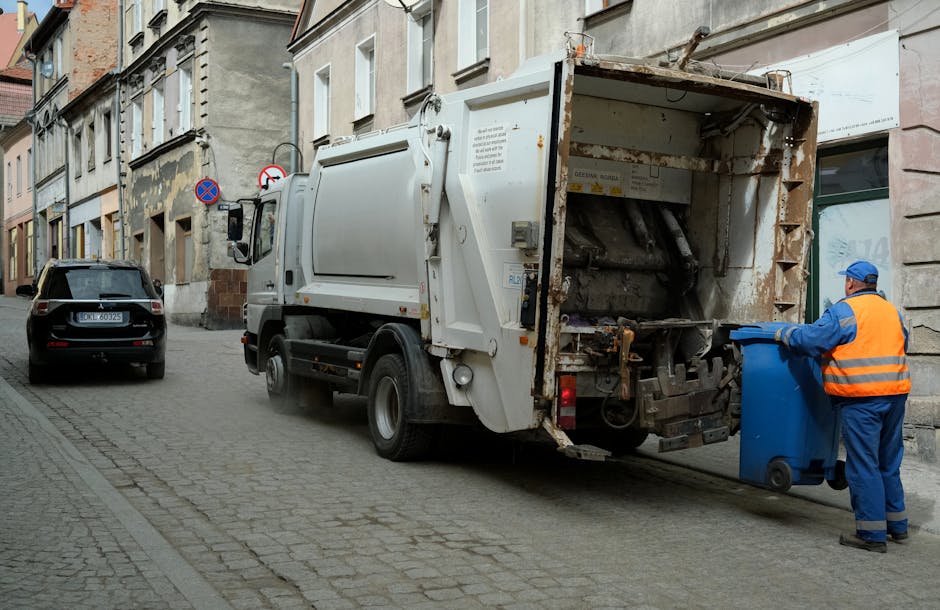
Rubbish removal in Bengeo is not just about lifting things into a vehicle and heading off. The surrounding streets, parking limits, shared access points, and the general reality of working near Hertford East can all affect how the job plays out. A small mistake can quickly turn into extra labour, a second visit, damaged items, unhappy neighbours, or a quote that no longer feels like a quote at all.
People often underestimate the local side of the job. A narrow driveway, an awkward stairwell, a front garden gate that barely opens, or a pile of heavy waste tucked behind a shed can change the whole plan. You might think, "It's only a few bags and a cabinet." Then you notice the old mattress is waterlogged, the cabinet is glued solid, and the bags contain a mix of rubble, textiles, and electrical bits. Suddenly, what looked straightforward is a bit of a faff.
Near Hertford East, timing matters too. If access is tight or parking is limited, poor scheduling creates pressure. That pressure is where mistakes happen: rushed loading, missed items, or providers skipping proper sorting. Good rubbish removal should reduce stress, not add to it.
There is also a trust element. If you are letting someone collect waste from your property, you want confidence that they are handling it responsibly. A reputable provider should be able to explain pricing, loading methods, recycling intentions, and safety basics without making you feel awkward for asking. If they sound vague, that is often the first warning sign.
How Bengeo rubbish removal mistakes to avoid near Hertford East Works
In practical terms, rubbish removal usually follows a simple flow: assess the load, confirm access, agree pricing, collect waste safely, and dispose of it through the appropriate channels. The mistake most people make is assuming all of those steps are interchangeable. They are not.
For example, a small flat clearance near Hertford East may need a different approach from a garden clear-out in Bengeo. One job might involve stairs, fragile items, and careful removal through a shared entrance. Another might involve soil, branches, old slabs, and a wheelbarrow route across wet grass. Same broad service, very different planning.
At a good operational level, rubbish removal should include:
- a clear description of what needs removing
- an honest estimate of volume or weight
- access and parking checks
- an understanding of any restricted or specialist waste
- safe handling by trained staff
- responsible disposal or recycling where possible
The local geography matters because it affects the logistics. Not in a dramatic way, but enough. A job that looks quick on paper can slow down if waste has to be carried a long distance, if multiple trips are needed, or if items are mixed together and need sorting on site. That is why photos, measurements, and a proper description are so useful.
It is also why transparent providers tend to perform better. They ask more questions up front. It may feel slightly overcautious at first, but that usually saves time later. And time, in this sort of work, is where most avoidable problems hide.
Key Benefits and Practical Advantages
When rubbish removal is planned properly, the benefits are not subtle. You feel the difference immediately. The property looks clearer, the path is safer, the space becomes usable again, and you are not left with the lingering sense that there is still another pile somewhere out of sight.
Here are the main practical advantages of getting it right:
- Less disruption: good planning means less noise, fewer delays, and fewer return trips.
- Better cost control: accurate estimates reduce the chance of surprise extras.
- Improved safety: heavy or awkward waste is moved with the right handling methods.
- Cleaner outcomes: sorting waste properly improves the chances of recycling and responsible disposal.
- Less stress: you know what is happening, when it is happening, and what will be left behind.
There is a practical benefit people do not always think about: momentum. Once clutter starts to go, you often find the rest of the project becomes easier too. A cleared hallway makes decorating simpler. A cleared garden makes maintenance less of a battle. A cleared garage suddenly feels like a useful room again. Small win, then another small win.
For landlords, home movers, and anyone dealing with inherited property or ongoing refurbishments, this can be especially useful. A tidy, organised clearance helps you make decisions faster. No standing around wondering whether the old wardrobe is worth keeping. Usually it is not. Sorry, wardrobe.
Who This Is For and When It Makes Sense
This topic matters to a pretty wide group of people in Bengeo and near Hertford East. You do not need to be managing a full house clearance for it to be relevant. Even a modest job can go sideways if the basics are ignored.
It is especially useful if you are:
- clearing a home before a move
- emptying a loft, garage, shed, or outbuilding
- dealing with post-renovation debris
- removing garden waste after pruning, landscaping, or storm damage
- handling bulky household items that will not fit in a car
- supporting an elderly relative with a long-overdue sort-out
- managing a rental property turnover
It also makes sense if you are short on time and need things done in one go. A Saturday spent hauling bags back and forth can quickly become a weekend you regret. Truth be told, there is a point where buying your own buckets, gloves, and bags is less "cost saving" and more "future back pain".
That said, not every job needs the same level of service. A few boxes and small household items may be manageable as a self-clearance effort. Bigger, heavier, or mixed waste loads usually justify professional help, especially if you need speed, lifting support, and a tidy finish.
If you are comparing options, it helps to understand the provider's approach to pricing and process before you book. Useful details are usually easier to find on pages such as pricing and quotes and recycling and sustainability, which can help you judge how transparent a company is before anyone arrives on site.
Step-by-Step Guidance
If you want to avoid the usual mistakes, a sensible process is worth more than guesswork. Here is a clear sequence that works well for most local rubbish removal jobs.
- Identify exactly what needs removing. Separate general waste, reusable items, bulky furniture, garden waste, and anything that may need special handling.
- Estimate the size of the job. A few black bags are not the same as a half-filled garage. Be honest with yourself here.
- Check access. Think about parking, staircases, narrow paths, basement entries, or shared hallways. What looks "fine" to you may look complicated to a loading team.
- Take photos if useful. Wide shots and close-ups help a provider understand the job and reduce the risk of underquoting.
- Ask how pricing is calculated. Is it volume-based, item-based, labour-based, or a mix? Ask before the job begins.
- Confirm what happens to the waste. Responsible handling matters. Good providers can explain their disposal and sorting approach clearly.
- Prepare the area before collection. Move small valuables, label items you want kept, and make a path clear enough for safe lifting.
- Stay available during collection. A quick yes/no at the door can save a lot of confusion later.
A simple example: if you are clearing a back room, put keepers in one corner, rubbish in another, and anything uncertain in a separate pile. The clearer you are, the less likely things disappear into the wrong pile. Happens more often than people think.
One more thing. If an item might be reusable, recyclable, or sensitive, say so early. That small note can affect how it is handled, and it shows the provider you have thought the job through.
Expert Tips for Better Results
Good rubbish removal is part common sense, part coordination. A few small habits make the whole thing smoother.
- Sort before collection where you can. It saves time on site and makes recycling easier.
- Be realistic about weight. Wet garden waste, old books, rubble, and broken furniture are often heavier than they look.
- Keep a list of must-go items. That list becomes your safety net when the day gets busy.
- Separate hazardous or specialist items early. Do not tuck them into general rubbish and hope for the best.
- Plan for weather. A damp morning, a muddy path, or a windy afternoon can change the pace of a job.
- Ask about insurance and handling standards. This is especially sensible for awkward, heavy, or high-value items. You can review a provider's insurance and safety information before booking.
From experience, the smoothest jobs are usually the ones where the client has thought about the end result. Not perfection. Just enough structure to avoid chaos. A labelled pile, a clear doorway, and a quick conversation at the start can make a surprising difference.
And if you are comparing providers, do not be shy about asking how they handle complaints or issues if something does not go to plan. Good services should have a clear process. It is better to know that upfront than discover it after a frustrating afternoon.
Common Mistakes to Avoid
This is the section that saves most people money, time, or irritation. The mistakes below are common, and very avoidable if you slow down just a little.
1. Underestimating the amount of waste
This is the classic mistake. A room looks manageable until you start moving things and realise there are layers underneath. Items pile up in bins, drawers, loft corners, and behind furniture. The load looks smaller from one angle and much bigger from another.
2. Not checking access properly
If the collection team cannot park close enough, or if the route to the waste is awkward, the job takes longer and may cost more. It is not just about distance. It is about carrying, turning, lifting, and doing all of that safely.
3. Mixing waste types without warning
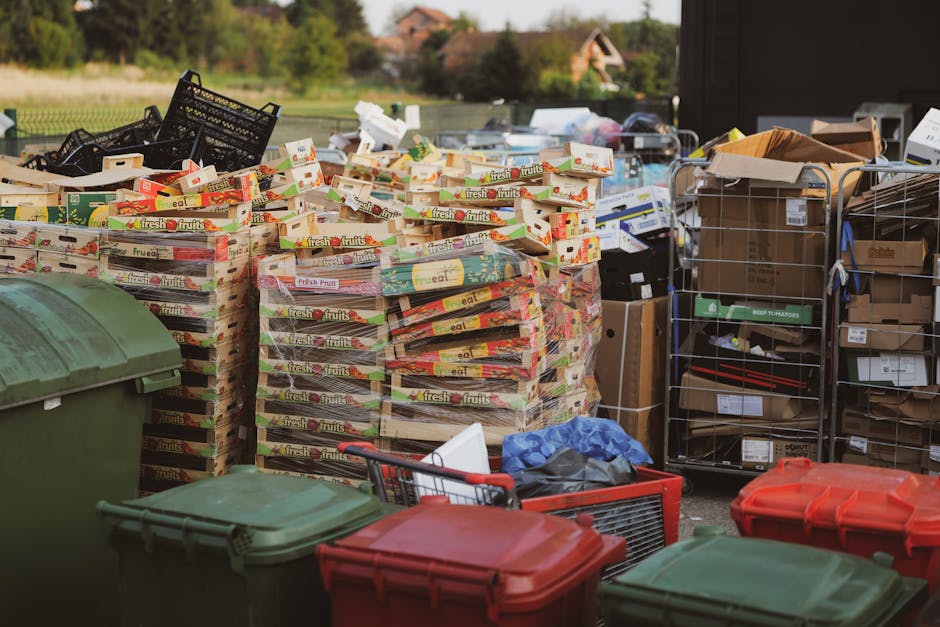
Garden waste, electricals, rubble, furniture, textiles, and general household rubbish may need to be handled differently. Mixing everything together can complicate sorting and pricing. It also makes responsible disposal harder.
4. Choosing on price alone
Cheap can be fine. Cheap and vague is not. If the quote sounds too neat, ask what it includes. Labour, loading, disposal, and access all matter. A low headline price that changes later is not a bargain, it is just a delayed headache.
5. Forgetting to ask about recycling
You do not need to audit the whole process, but you should know whether waste is being sorted responsibly. Even basic clarity helps. It also tells you whether the provider has a structured approach or is just winging it.
6. Leaving valuables or keepsakes in the clearance area
Small items vanish into mixed clutter fast. Photos, documents, jewelry, and sentimental bits should be removed first. That sounds obvious. It still gets missed.
7. Ignoring safety hazards
Broken glass, nails, damp mouldy waste, sharp metal, or heavy items stacked badly can cause injuries. If anything looks unsafe, say so before collection starts. No one wins by pretending it is all fine.
8. Failing to confirm what is excluded
Some items may need specialist handling or may not be included in a standard service. If you do not ask, you may be surprised on the day. Not ideal when the van is already outside and everyone is looking at the pile.
9. Forgetting the timing around neighbours or building rules
Near shared entrances or in busier streets, noise and access timing matter. A little courtesy goes a long way. It also avoids unnecessary tension with neighbours, which is something most of us would happily skip.
10. Not using the provider's support pages before booking
If a company offers clear details on payment, policies, and service standards, those pages can help you avoid miscommunication. The pages for payment and security and terms and conditions are useful places to check the basics before you confirm anything.
Tools, Resources and Recommendations
You do not need specialist equipment for every clearance, but a few simple tools make the process smoother. This is especially true if you are doing some prep work yourself before the collection team arrives.
- Heavy-duty bin bags: useful for general rubbish, but do not overload them.
- Gloves: a basic pair can prevent cuts and make handling awkward material much safer.
- Marker pen and tape: perfect for labelling keep, remove, and unsure piles.
- Trolley or sack barrow: handy for heavier items if the path allows it.
- Dust sheets: useful when clearing dusty lofts, sheds, or old storage areas.
- Boxes or crates: good for separating smaller items before collection.
For many people, the best resource is not a tool at all but a clear plan. A simple room-by-room list often does more than a stack of bags. That sounds almost too plain to mention, but it really does help.
If you want to understand a company's background and approach, the about us page can be useful, especially if you prefer working with a team that explains how they operate and what they prioritise. You can also use the contact us page to ask about access, timing, or unusual items before anything is booked.
For broader trust signals, it is worth reviewing policy pages too. A business that publishes information on health and safety policy, complaints procedure, and accessibility statement is usually making an effort to be clear and organised. That is not everything, of course, but it is a good sign.
Law, Compliance, Standards, or Best Practice
Rubbish removal in the UK touches practical compliance issues, even when the job looks small. You do not need to become a legal expert, but you do need to avoid casual mistakes that could create problems later.
Best practice usually means the following:
- waste should be handled by someone who can explain where it goes
- hazardous or specialist items should be identified early
- items should be carried and loaded safely, with attention to injury prevention
- customers should receive clear pricing information before work begins
- disposal choices should aim for responsible reuse or recycling where feasible
In plain English: if a provider cannot explain how they work, that is a problem. If they can explain it simply and consistently, that is reassuring. You do not need a speech. You need clarity.
There is also a customer-side responsibility. You should be honest about what is being removed, especially if anything is damaged, contaminated, unusually heavy, or difficult to access. Misleading descriptions cause most disputes. A five-minute conversation can prevent a much longer one later.
If safety and insurance matter to you - and they should - it is sensible to read a provider's insurance and safety information before confirming the job. That is not paranoia; it is good housekeeping.
Options, Methods, or Comparison Table
There is no single right way to deal with rubbish in Bengeo. The best option depends on volume, time, access, and how much lifting you want to do yourself. The table below gives a straightforward comparison.
| Method | Best for | Pros | Watch-outs |
|---|---|---|---|
| DIY skip or self-clearance | Large jobs with enough time and space | Hands-on control, useful for bulky repeat loading | Heavy lifting, permit considerations, time-consuming, can become messy fast |
| Man-and-van style rubbish removal | Mixed household waste, bulky items, quick clear-outs | Convenient, fast, less physical effort for you | Pricing must be clear; access and volume need accurate description |
| Room-by-room staged clearance | Homes with a lot of sorting to do | Good for keeping, donating, and removing separate | Requires planning and labels, easy to lose momentum |
For many people near Hertford East, a managed collection is the sweet spot. You get help with loading and disposal without having to organise the entire job yourself. The trick is to be clear about what you want and what you do not want. Simple, but not always easy when the place is cluttered.
Case Study or Real-World Example
Here is a realistic local scenario. A family in Bengeo is clearing a spare room before a relative moves in. The room contains old boxes, a broken wardrobe, bags of mixed rubbish, a printer, and a stack of garden tools that somehow ended up indoors. The job looks small at first glance.
Then they check the hallway and realise the wardrobe will not turn the corner without being dismantled. The printer has cables tangled through the pile. One of the bags contains odd bits of rubble from an old DIY job. They also remember, slightly too late, that the front path is narrow and the parking space outside is limited.
If they had left things as-is, the collection would likely have taken longer and the quote might have changed. Instead, they sort the room into clear categories, remove personal items, check access, and take a few photos before booking. On the day, the team can work efficiently because the job has been framed properly. No drama. No mystery pile at the back. Everyone breathes easier.
That sort of outcome is not glamorous, but it is exactly what good rubbish removal should feel like: calm, predictable, and done once.
Practical Checklist
Use this checklist before booking rubbish removal in Bengeo or near Hertford East.
- Have I sorted keep, donate, recycle, and remove piles?
- Have I checked stairs, paths, gates, and parking access?
- Have I identified heavy, awkward, or fragile items?
- Have I removed valuables, documents, and personal items?
- Have I confirmed whether any items need specialist handling?
- Have I asked how the price is calculated?
- Have I looked at the provider's safety and insurance information?
- Have I checked the provider's recycling and disposal approach?
- Have I prepared the space so loading can happen safely?
- Have I written down any special instructions for the day?
Checklist reminder: if in doubt, label it. If still in doubt, ask. The five minutes you spend now often saves fifty later.
Conclusion
The biggest Bengeo rubbish removal mistakes to avoid near Hertford East are not dramatic mistakes. They are ordinary ones: underestimating the load, ignoring access, skipping questions about pricing, and assuming everything will sort itself out on the day. It rarely does.
With a bit of planning, you can make the process easier, safer, and more cost-effective. Clear the clutter, ask direct questions, and choose a provider that explains their process properly. That mix of preparation and transparency is what keeps a simple job from turning into a long, irritating afternoon.
If you are ready to take the next step, make sure you compare the basics, check the service details, and choose with confidence rather than urgency. A good clearance should leave you with space, not more stress. And honestly, that is a very nice feeling when you stand back and see the floor again.
Get a free quote today and see how much you can save.
Frequently Asked Questions
What are the most common rubbish removal mistakes in Bengeo?
The most common mistakes are underestimating volume, forgetting access issues, mixing waste types, and not confirming pricing before the job starts. Those four account for a lot of avoidable stress.
How do I avoid paying more than expected for rubbish removal near Hertford East?
Be precise about what needs removing, share photos if possible, and ask how the price is calculated. If access is tight, say so early. The more detail you give, the fewer surprises there usually are.
Should I sort my waste before the collection team arrives?
Yes, where practical. Sorting keep, recycle, and remove piles makes the collection smoother and helps reduce confusion. Even a basic sort can save time.
What happens if I leave mixed waste together?
Mixed waste can take longer to sort and may affect pricing or disposal handling. If you cannot separate everything, let the provider know in advance rather than leaving it as a surprise.
Is rubbish removal better than hiring a skip?
It depends on the job. If you want less lifting, quicker removal, and help with loading, a managed collection is often easier. If you have time, space, and a large ongoing project, a skip may suit better.
Do I need to worry about safety during rubbish removal?
Yes. Sharp edges, heavy items, damp waste, and awkward lifting can all cause problems. Good safety practice is simple but important: clear walkways, wear gloves if you are helping, and mention hazards early.
What should I ask before booking rubbish removal?
Ask what is included in the price, how access affects the quote, what items are excluded, how waste is handled, and whether the company has clear insurance and safety information. Straight answers are a good sign.
Can rubbish removal help with garden waste in Bengeo?
Yes, garden waste is a common reason people book collections. Just be clear whether the load includes soil, branches, turf, or mixed general waste, because those details can matter.
What if I only have a few bulky items?
That is still worth arranging if the items are awkward, heavy, or difficult to dispose of yourself. A few bulky items can be more of a hassle than a whole stack of lighter bags. Annoying, but true.
How can I tell if a provider is trustworthy?
Look for clear explanations, sensible policies, straightforward pricing, and a willingness to answer questions. Pages like about us, terms and conditions, and complaints procedure can help you judge how transparent they are.
What should I do with personal items before a clearance?
Remove them before the collection starts. Documents, photos, valuables, chargers, and keepsakes should be separated first. It takes a little time, but it avoids accidental loss.
Is recycling always possible with rubbish removal?
Not always, but it should be considered where possible. Responsible providers aim to sort items sensibly and divert recyclable material when practical. You can review a company's recycling and sustainability approach for more detail.
Who should I contact if I need help arranging a collection?
If you want to ask questions, clarify timing, or discuss unusual items, use the provider's contact us page. A short conversation beforehand can make the whole job easier.